Empowering Survivors: A Comprehensive Guide to Cancer Awareness and Support
When navigating the complex journey of cancer survivorship, the road can feel overwhelming. Just think about it: from the moment a diagnosis is confirmed, a multitude of emotions and decisions flood your mind. Survivors often face challenges that extend beyond the initial treatment, making cancer support an essential aspect of their lives. As you read this guide, consider it a lifeline—an invaluable resource packed with essential support and resources for cancer survivors determined to thrive after their ordeal.
Empowerment is key to navigating the cancer journey, and understanding the importance of healthcare in survivorship can be life-changing. Cancer statistics reveal that nearly 18 million people in the U.S. are living with a history of cancer. That’s a powerful number! It shows that you're not alone in your fight. Instead of only focusing on treatment or disease management, consider exploring different avenues such as wellness tips, holistic health, and alternative therapies. By embracing integrative medicine, survivors can experience improved quality of life and symptom management. How can you harness these resources to foster your own well-being?
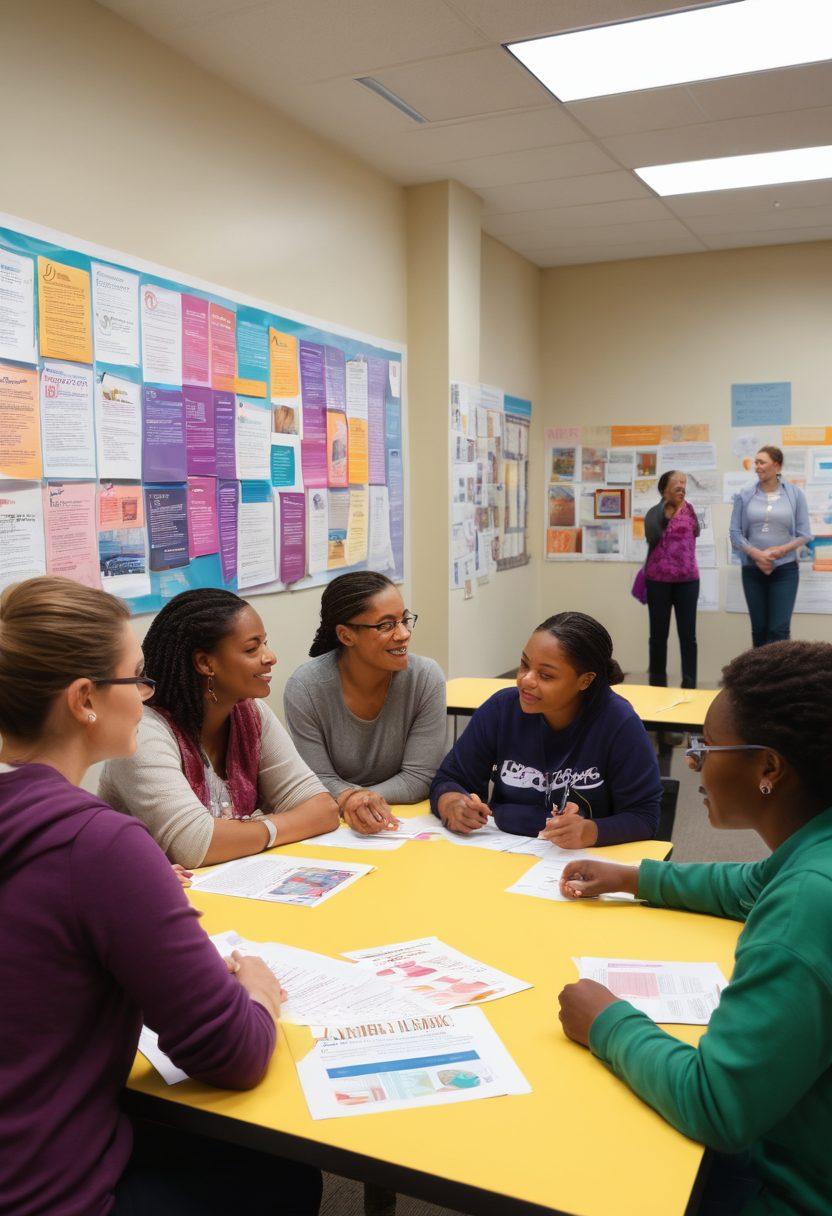
Support groups play a vital role in the healing process, acting as a beacon of hope for many survivors. Picture this: sitting in a circle, sharing your story with others who truly understand what you’ve gone through. It’s a stark reminder that you are part of a larger community, championing each other through shared experiences. These groups often provide not just emotional support but also practical guidance on patient advocacy and the latest advancements in medical research. Who wouldn’t want to tap into that collective wisdom?
Lifestyle changes can be empowering after cancer treatment, but it’s not just about diet and exercise. What if you also incorporated mindfulness practices to alleviate stress and anxiety? Engaging with health education resources can help illuminate the path to disease prevention. By making conscious lifestyle choices, cancer survivors can cultivate resilience and embark on a transformative journey toward a healthier, more fulfilling life. Are you ready to rewrite your story with intention and purpose?
In an evolving landscape of cancer awareness, the future holds promise for survivors navigating their journeys. As we rally for increased access to information and resources, embracing patient advocacy becomes not just a responsibility but an opportunity. Every interaction—whether in support groups, healthcare settings, or online forums—can ignite change. Together, let us continue to create a world where cancer survivors feel empowered, supported, and truly understood. What role will you play in this collective endeavor?
From Awareness to Action: Key Strategies in Cancer Education and Disease Management
Have you ever pondered why some people thrive after a cancer diagnosis while others struggle to cope with the aftermath? This question underscores the importance of turning awareness into action, particularly in the realm of oncology. Cancer awareness is just the beginning; it serves as a launchpad for deeper education and more proactive measures in disease prevention. With cancer statistics revealing staggering rates of diagnosis and survival, understanding how to manage the disease through effective strategies is crucial not only for patients but also for their families and caregivers. We are about to explore key strategies that empower individuals, transforming mere awareness into actionable insights.
To create a supportive ecosystem for cancer survivors, we must first embrace the significance of health education. In doing so, we equip patients with the knowledge they need to navigate their journey. It's fascinating to note that engaging in active patient advocacy can enhance one’s treatment experience. What if we fostered environments where patients felt comfortable asking questions about their cancer treatment? By advocating for oneself, patients can demystify the complexities of healthcare, leading to more informed decisions. The simple act of asking 'What does this mean for me?' can propel one on a path of empowerment and ownership over their health.
Another pivotal aspect of transitioning from awareness to action lies in the establishment of support groups. Imagine a room filled with individuals who share similar struggles, where stories of hope resonate in the air like a comforting blanket. These gatherings offer not only camaraderie but also a treasure trove of wellness tips. Often, individuals learn about alternative therapies or integrative medicine techniques that provide relief from symptoms and side effects experienced during treatment. Support groups cultivate a sense of belonging, showing cancer survivors that they are not alone in their battle. What could be more powerful than sharing a journey with others who understand?
As we delve deeper into effective disease management strategies, lifestyle changes stand out as fundamental keys to a healthier life post-diagnosis. Cancer survivors are often encouraged to consider holistic health approaches, such as regular physical activity, balanced nutrition, and mindfulness practices. For example, could adopting a plant-based diet or incorporating yoga into daily routines lead to improved quality of life? The journey of recovery is often riddled with challenges, yet small, consistent adjustments can yield significant benefits over time. This is where wellness tips become not just suggestions but beacons of hope for those navigating the complexities of survivorship.
Finally, let’s not forget the profound role of medical research in shaping best practices for disease management. With countless studies emerging on cancer treatment and symptom management, staying informed can empower patients to explore all avenues of support. Choosing to engage with the latest findings not only fosters a proactive stance but also paves the way for better health outcomes. Are you ready to take charge of your healthcare journey? Remember, awareness is merely the first step; turning insights into action can profoundly affect the path towards healing and thriving as a cancer survivor. The journey may be long, but with the right strategies in place, each step becomes a testament to resilience and hope.
Empowerment Through Knowledge: Enhancing Wellness and Advocacy for Cancer Patients
Imagine standing on the precipice of a mountain, gazing out at a vista that seems insurmountable. This is often how cancer patients feel when they first receive their diagnosis. The journey through oncology is winding and fraught with challenges, but it is also a path to empowerment. By tapping into knowledge and resources, cancer survivors can enhance their wellness and become advocates for themselves and others affected by this complex disease. In this blog, we will explore how education and support can transform the cancer experience, enlightening patients and their loved ones about treatment options, disease management, and the power of community.
Cancer awareness is more than just a buzzword; it's a beacon of hope for those in the fight against cancer. What does it mean to truly understand cancer? It’s about being informed on cancer statistics, treatment options, and the latest advancements in medical research. Knowledge is power, and empowering cancer patients through healthcare education fosters a deeper connection with their treatment journey. Whether it’s understanding alternative therapies or the importance of symptom management, each piece of information can serve as a stepping stone towards better health and decision-making. As Dr. Bruce H. Doblin, an oncologist, once said, 'The more you know, the more you can help yourself.'
But knowledge alone isn’t enough; patients need a support system—a network of individuals who understand the tremors of anxiety and uncertainty. Support groups serve as a lifeline for cancer survivors, allowing them to share their experiences and insights. Wouldn't it be comforting to know that you’re not alone in your struggles? These groups foster resilience and strength, empowering individuals to take control of their wellness. From discussing lifestyle changes to sharing wellness tips, the connections forged in these spaces provide a collective sense of purpose and encouragement that can be life-changing for many.
In addition to traditional medical treatments, many survivors are exploring integrative medicine and holistic health approaches as part of their wellness regimen. Integrating alternative therapies into cancer treatment can be empowering, enabling patients to take charge of their health and well-being. From yoga and meditation to nutrition and herbal supplements, the options are vast. Have you ever considered how a small lifestyle change can make an immense difference in your overall health? Research consistently shows that such modifications and preventative measures can bolster the immune system and enhance the body’s ability to cope with treatment side effects. Integrative medicine can be a vital part of the cancer survivor's toolkit.
At the heart of empowerment is patient advocacy—a call to action for individuals to stand up for their health. Advocacy extends beyond the doctor’s office and into the realm of healthcare systems, supporting policies and programs that improve cancer support and education. By leveraging their experiences, survivors can drive awareness and influence changes that benefit the broader community. As we close this discussion on enhancing wellness and advocacy for cancer patients, let's remember: Every story of survival is an opportunity to educate and inspire. As cancer survivors share their journeys, they pave the way toward a future where every diagnosis is met with not just challenge, but also the knowledge and support needed to triumph.